
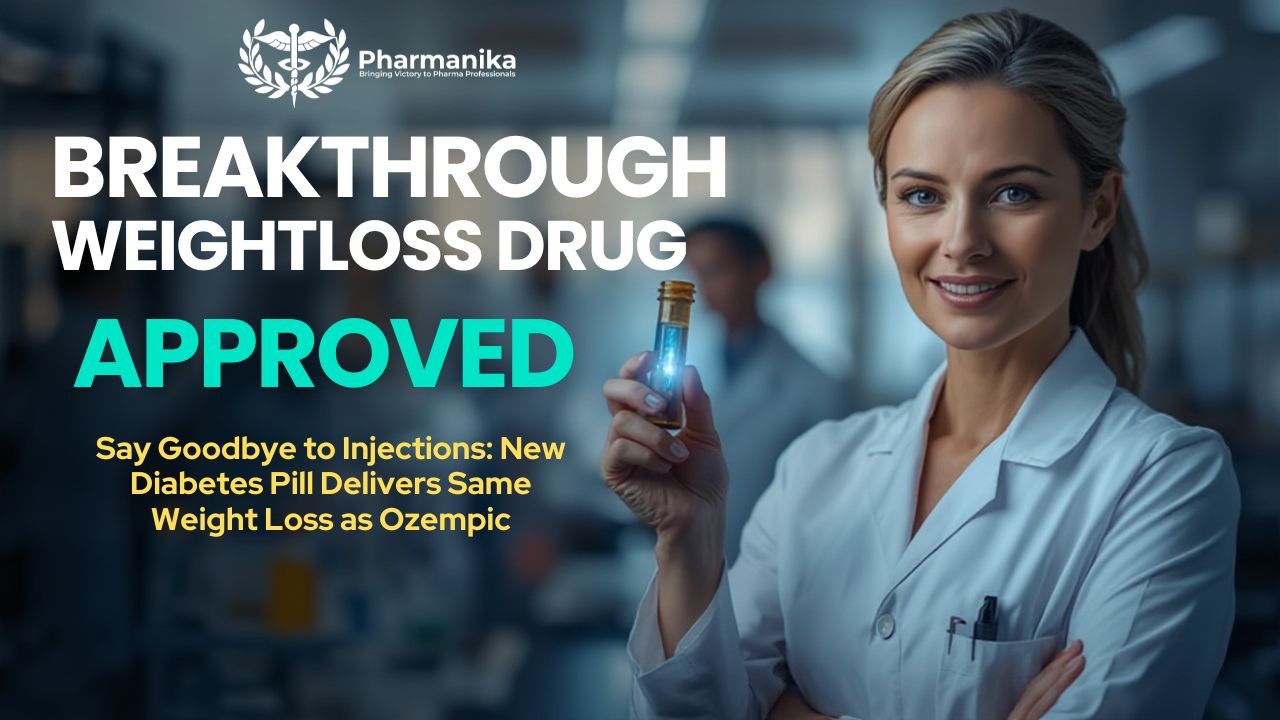
Say Goodbye to Injections: New Diabetes Pill Delivers Same Weight Loss as Ozempic
Most of the weight loss drugs are only available through injections and especially from GLP-1 drugs. And this situation is not true and is about to change now.
There was a clinical trial that was conducted with over 1600 people and the results are impressive. They have just given us exciting updates. There is a pill called orforglipron which works almost similar to the injectable drugs like Ozempic. This drug gives real results and has been proven in the clinical trials.
The Numbers Don’t Lie
This study was conducted for almost 72 weeks across 136 sites in 10 countries. The results showed that peoplewho took highest dose of orforglipron lost around of 9.6 percent of their body weight. That’s equal to 21 pounds for someone who weighs 223 pounds. And do you know what is even more impressive? Almost 1/4 of the people who got the highest dose of the drug lost more than 15 percent of their body weight.
To put that in simple terms, this tablet works exactly like injectable semaglutide. The injection helps people with diabetes lose between 10 to 15 percent of their body weight. The drug does the exact same thing.
Dr. Deborah Horn from the University of Texas, who led the research team, couldn’t hide her enthusiasm and she said “We know it is harder for individuals with diabetes to lose weight. It is exciting to have an oral medication that provides double-digit weight loss, which on average was 23 pounds,”.
How Does It Actually Work?
Do you know that this research has an interesting part? The orforglipron mimics what our body does naturally after we eat. When we finish a meal, the gut releases a hormone called GLP-1, which basically tells your body, “Okay, we’re full now.” This hormone decreases your appetite, helps the pancreas manage insulin better, and slows down digestion so the blood sugar doesn’t spike.
But there is one problem with regular GLP-1 drugs. They are made of peptides that the acid in stomach destroys immediately after coming in contact. This is the reason why these drugs need to be injected. But orforglipron works differently and stands out tall. It’s not a peptide, but it still activates the same receptors like the injectables. That means it can survive the journey through the digestive system just like a regular pill.
Results of the Trial
The researchers divided 1,613 participants, all of them with type 2 diabetes and classified as overweight or obese into four groups. Three groups got different doses of orforglipron – 6, 12, or 36 milligrams – while one group got a placebo. Everyone reduced their daily calories by 500 and took their pill every day for 72 weeks.
The results were clear. The group which got the highest dose lost 9.6 percent of their weight, the middle group lost 7 percent, and the group that received the lowest dose lost 5.1 percent. And do you know how much the placebo group lost? It was just 2.5 percent.
But through these results, weight loss wasn’t the only win. Blood sugar markers improved significantly, and participants saw better heart health, reduced inflammation, and improved blood pressure readings.
It’s Similar to Ozempic
It is not all positive things, similar to the injectable GLP-1 drugs, orforglipron comes with some side effects like nausea, diarrhea, vomiting, and constipation.
It’s also worth noting that it’s not as powerful as tirzepatide injections, which showed a 14.7 percent weight loss in an earlier trial. But here’s the thing: for many people, the convenience of popping a daily pill might be worth the competition.
Cost and Accessibility
Above all there is one more exciting news. Once the FDA approves it, orforglipron is scheduled to reach the market in 2026 at a significantly lower cost than current injectable options. Horn believes it could become the “metformin of obesity”. This ,eans that it could be widely covered by insurance plans and accessible to many people who need it.
If that happens, we might be looking at a real shift in how diabetes and obesity are treated. No more injection anxiety, lower costs, and similar results. This is the kind of medical breakthrough that could actually change lives.
The study was funded by pharmaceutical company Eli Lilly and published in The Lancet, so the research comes with solid scientific credentials. Now we just have to wait and see if the FDA gives it the green signal.